


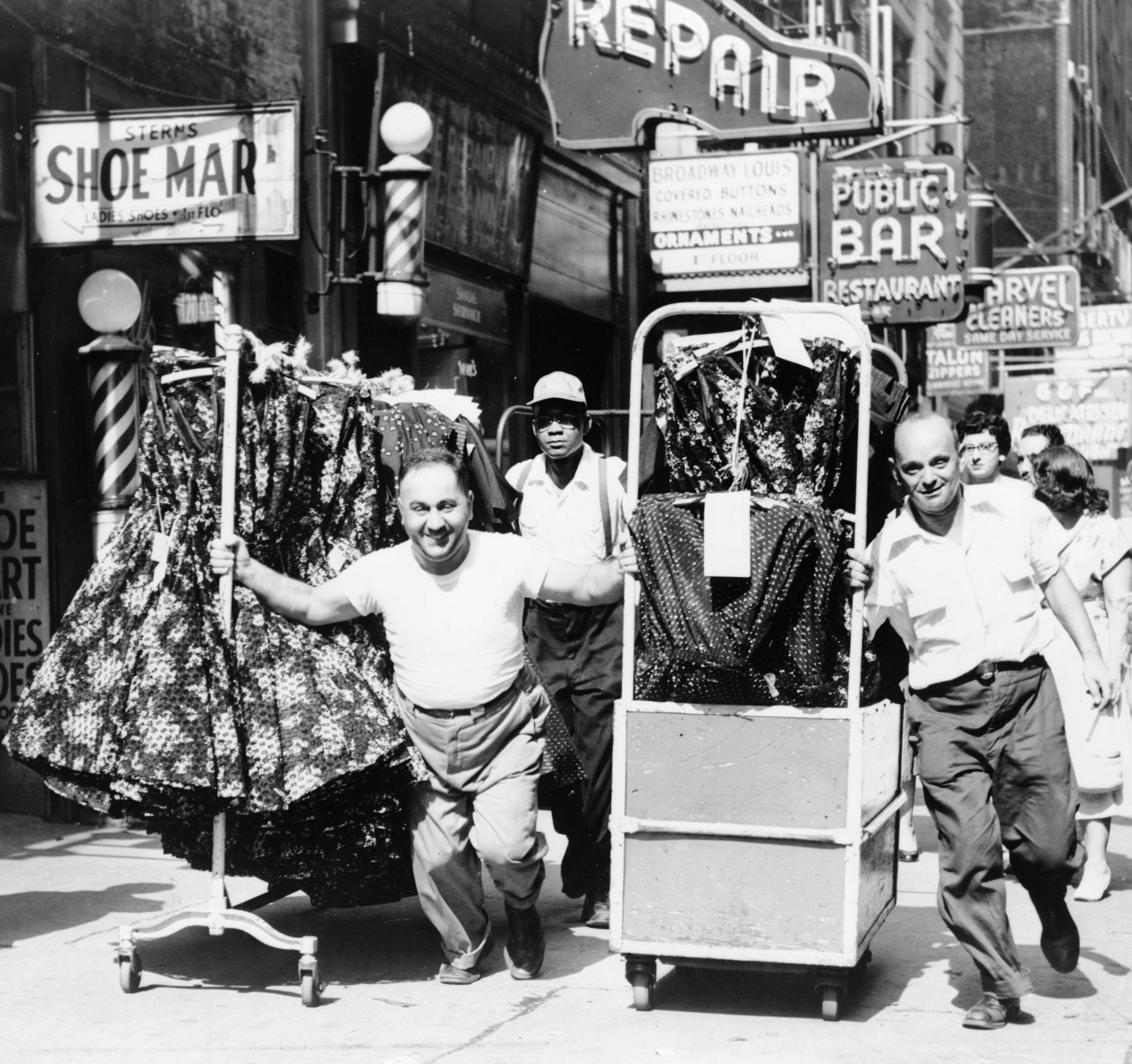
New York City is one of the most influential fashion capitals in the world—not only for runway moments, but for the quiet, powerful ecosystem that sustains independent designers: agents, showrooms, buyers, and concept stores that shape how fashion moves from studio to storefront.
For emerging and established labels alike, NYC is where design meets distribution, where collections are refined, positioned, and introduced to a global audience through carefully built relationships.
The Role of Designers & Agents in the NYC Fashion Landscape
In New York, designers and agents work in close collaboration. Designers focus on creative vision, textiles, and craftsmanship, while agents and showrooms act as strategic partners—bridging the gap between design and retail.
Agents in NYC play a crucial role by:
-
Representing designers to boutiques and department stores
-
Positioning collections for the US market
-
Managing wholesale relationships, pricing, and MOQs
-
Supporting brand storytelling and seasonal launches
This ecosystem allows designers—especially those working with handcrafted, small-batch, and sustainably produced collections—to focus on what they do best, while ensuring commercial viability in a competitive market.
NYC as a Hub for Conscious & Independent Fashion
New York has seen a steady shift toward slow fashion, ethical production, and artisanal value. Buyers and agents increasingly seek brands that offer:
-
Natural and responsibly sourced fabrics
-
Handwoven or hand-finished textiles
-
Transparent supply chains
-
Timeless, season-less silhouettes
Independent designers working with traditional techniques—whether weaving, printing, or dyeing—are finding a receptive audience among NYC agents and boutiques that value craft over trend.
This mirrors what leading international platforms like Tranoï have championed for decades: newness, authenticity, and a strong point of view, translated for a global market.
From Global Trade Shows to the NYC Market
International designers often enter the US through platforms like Paris Fashion Week trade shows, where brands are introduced to buyers and agents from New York. NYC agents then help adapt collections to local retail needs—sizing, pricing, delivery timelines, and customer expectations—while preserving the brand’s DNA.
Much like Tranoï functions as a bridge between designers and the global fashion industry, New York operates as the gateway to North American retail, connecting designers to:
-
Independent boutiques in NYC, LA, and across the US
-
Concept stores focused on sustainable womenswear
-
Stylists, editors, and creative communities
For brands rooted in craft and conscious production, NYC offers both visibility and longevity.
Showrooms, Districts, and Creative Neighborhoods
New York’s fashion ecosystem spans multiple neighborhoods, each with its own rhythm:
-
Garment District – The historical heart of fashion production and showrooms
-
SoHo & Nolita – Independent boutiques and concept stores
-
Chelsea & Midtown – Showrooms, agents, and wholesale appointments
-
Brooklyn – Studios, emerging designers, and creative collectives
These areas collectively support designers at every stage—from sampling and development to wholesale and retail expansion.
Building Long-Term Relationships in NYC
What sets New York apart is its emphasis on relationships over seasons. Designers and agents often work together across many years, refining collections and growing distribution organically.
For designers working with artisan communities and traditional craft, this long-term approach is essential. It allows time for:
-
Educating buyers about process and value
-
Building trust around delivery and quality
-
Growing orders sustainably without overproduction
NYC: A City That Supports Vision-Led Fashion
New York remains a city where design integrity and business strategy coexist. For designers and agents who believe in responsible fashion, thoughtful production, and meaningful storytelling, NYC offers a powerful platform—one that values both creativity and commitment.
It is not just a market, but a meeting point: between cultures, crafts, and commerce.